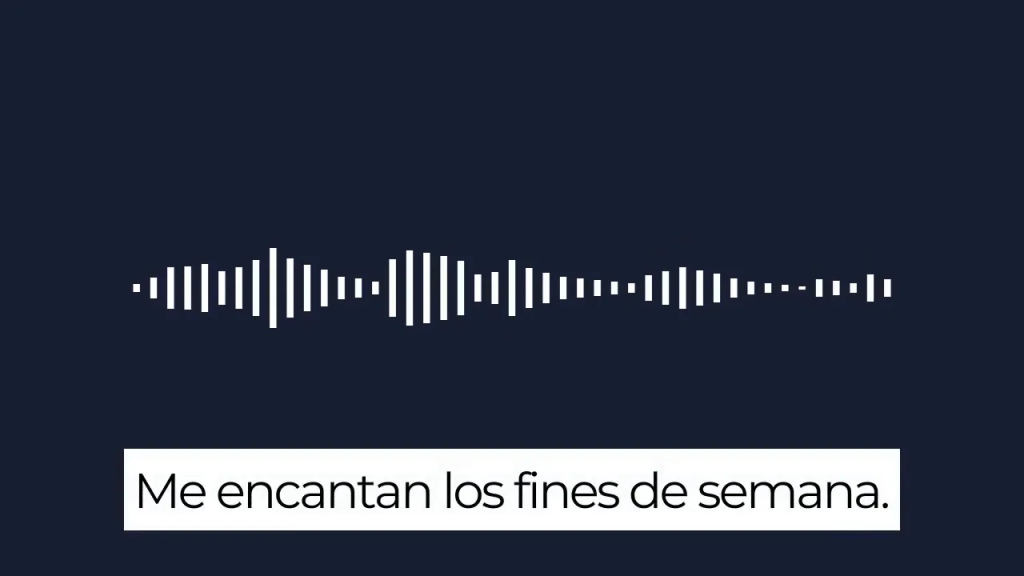
A short story in Spanish (example with preterit)
To practise the preterit tense, here is a short personal story written in Spanish using many preterit verbs. Read it, notice the verb forms, and use it as a model for your own practice.
En mi último viaje viajé a los Estados Unidos para visitar a unos parientes. El segundo día fui a Puerto Rico por primera vez. Llegué a Puerto Rico un viernes. Después de salir del aeropuerto, fui al hotel. Pasé cuatro días en Puerto Rico. Visité el Viejo San Juan, caminé mucho, fui a la playa, fui a algunos restaurantes y también asistí a muchas sesiones en la conferencia donde presenté sobre la enseñanza de idiomas. Ir a Puerto Rico fue una muy buena experiencia, pero por desgracia el final del viaje salió un poco mal porque me enfermé. Después de enfermarme, tuve que pasar siete días sola en cuarentena. No me gustó nada.
What the preterit tense does
The preterit tense (pretérito perfecto simple) is used to describe actions that were completed at a specific time in the past. Use it to say what you did, how long you did it for, or events that happened once or a specific number of times.
When to use it
- Completed events: “Llegué a Puerto Rico un viernes.”
- Actions with a clear beginning and end: “Pasé cuatro días.”
- A sequence of past actions: “Salí del aeropuerto y fui al hotel.”
Key examples from the story and why they matter
Below are important verbs from the example story, their infinitives, meanings, and the preterit first person (yo) forms used in the text.
- viajar — to travel. Yo: viajé
- visitar — to visit. Yo: visité
- ir — to go. Yo: fui (note: irregular — same form as ser)
- llegar — to arrive. Yo: llegué (spelling change g → gu in yo form)
- salir — to leave. Yo: salí
- pasar — to spend (time). Yo: pasé
- caminar — to walk. Yo: caminé
- asistir — to attend. Yo: asistí
- presentar — to present. Yo: presenté
- enfermarse — to get sick (reflexive). Yo: me enfermé
- tener que + infinitive — to have to + do something. Preterit: tuve que + infinitive (example: tuve que pasar siete días)
Quick grammar refresher: forming the preterit
Regular endings
- -ar verbs: é, aste, ó, amos, aron (example: viajar → viajé, viajaste, viajó, viajamos, viajaron)
- -er / -ir verbs: í, iste, ió, imos, ieron (example: asistir → asistí, asististe, asistió, asistimos, asistieron)
Common irregulars and important notes
- Ir and ser: fui, fuiste, fue, fuimos, fueron (context tells you if it means “went” or “was”)
- Spelling changes: verbs ending in -car, -gar, -zar change in the yo form (llegar → llegué)
- Reflexives: add the reflexive pronoun before the verb in the preterit (me enfermé)
- Compound expressions: “tener que + infinitive” becomes tuve que + infinitive to express obligation in the past
Practice tasks
Use these tasks to consolidate what you have just read. Try to do them without looking at the answers first.
Task 1 — Translate to Spanish (use the preterit)
- I arrived on Friday.
- I spent four days in Puerto Rico.
- I walked a lot and went to the beach.
- I got sick and had to quarantine.
- I presented at a conference about language teaching.
Task 2 — Conjugate (preterit)
Write the full preterit conjugation (yo, tú, él/ella, nosotros, ellos) for these verbs: viajar, comer, vivir.
Task 3 — Fill in the blanks
Complete the sentences with the correct preterit form.
- El segundo día ___ a Puerto Rico por primera vez. (ir)
- Después de salir del aeropuerto, ___ al hotel. (ir)
- Yo ___ cuatro días en Puerto Rico. (pasar)
- Al final, me ___ y tuve que quedarme en cuarentena. (enfermarse)
- Yo ___ una presentación en la conferencia. (presentar)
Task 4 — Write your own mini-story
Write 4–6 sentences about your last trip or weekend in Spanish using the preterit. Use at least one irregular verb and one reflexive verb.
Answers
Task 1 — Translations
- Llegué el viernes.
- Pasé cuatro días en Puerto Rico.
- Caminé mucho y fui a la playa.
- Me enfermé y tuve que ponerme en cuarentena / tuve que quedarme en cuarentena.
- Presenté en una conferencia sobre la enseñanza de idiomas.
Task 2 — Conjugations
- viajar: viajé, viajaste, viajó, viajamos, viajaron
- comer: comí, comiste, comió, comimos, comieron
- vivir: viví, viviste, vivió, vivimos, vivieron
Task 3 — Fill in the blanks
- El segundo día fui a Puerto Rico por primera vez.
- Después de salir del aeropuerto, fui al hotel.
- Yo pasé cuatro días en Puerto Rico.
- Al final, me enfermé y tuve que quedarme en cuarentena.
- Yo presenté una presentación en la conferencia. (or: Presenté en la conferencia.)
Final tips for learners
- Tell short stories about past events out loud; spoken repetition helps internalise irregular forms.
- Look for common verbs in your own travel stories and memorise their yo forms first.
- When unsure whether to use preterit or imperfect, ask: was the action completed and specific? If yes, use the preterit.
Building Proficiency for World Language Learners: 100+ High-Interest Activities
Discover over 100 dynamic activities to make world language learning interactive and fun. I wrote this book with some of my favorite activities for educators aiming to build proficiency with high-impact strategies.
Learn more and get your copy here.
5 Weeks of No and Low Prep Fun
Need quick, engaging activities for your class? This free guide includes 25 no-prep and low-prep ideas to save time while keeping students excited about learning.
Download your free copy now.
100s of Videos to Learn Spanish
Gain access to an extensive collection of videos for self-paced Spanish learning.
Browse the videos.