I love weekends. After a busy workweek, a good weekend feels slower and more relaxed. You can wake up late, listen to music, read, watch films and series, take short trips, visit museums or friends, go shopping, eat out, or cook to save time during the week. These everyday activities are perfect for practising the Spanish present tense because they describe routines and what you usually do.
What a good weekend looks like — useful sentences in Spanish
Below are short, natural sentences that describe a relaxed weekend. Each Spanish sentence is followed by its English translation.
- Me despierto tarde. — I wake up late.
- No me levanto inmediatamente. — I do not get up immediately.
- Escucho música y no tengo prisa. — I listen to music and I am not in a hurry.
- Descanso más. — I rest more.
- Leo o veo muchas películas y series en la tele o en Netflix. — I read or watch many movies and series on TV or Netflix.
- Hago viajes a otras ciudades. — I take trips to other cities.
- Visito a una amiga o voy a un museo. — I visit a friend or I go to a museum.
- Voy de compras. — I go shopping.
- Voy a un restaurante a veces. — I go to a restaurant sometimes.
- Cocino para ahorrar tiempo durante la semana. — I cook to save time during the week.
Grammar focus: the present tense in context
The present tense in Spanish is used for habits, routines and actions happening now. The verbs above are mostly regular, and a couple are irregular. Here are simple conjugations for common verbs used to talk about a weekend.
Regular verbs
- Descansar (to rest): yo descanso, tú descansas, él/ella descansa, nosotros descansamos, ellos descansan.
- Escuchar (to listen): yo escucho, tú escuchas, él/ella escucha, nosotros escuchamos, ellos escuchan.
- Leer (to read): yo leo, tú lees, él/ella lee, nosotros leemos, ellos leen.
- Viajar (to travel): yo viajo, tú viajas, él/ella viaja, nosotros viajamos, ellos viajan.
- Visitar (to visit): yo visito, tú visitas, él/ella visita, nosotros visitamos, ellos visitan.
- Cocinar (to cook): yo cocino, tú cocinas, él/ella cocina, nosotros cocinamos, ellos cocinan.
Irregular verbs to know
- Ir (to go): yo voy, tú vas, él/ella va, nosotros vamos, ellos van. Example: Voy a un restaurante.
- Despertarse (to wake up) is reflexive: yo me despierto, tú te despiertas, él/ella se despierta, nosotros nos despertamos, ellos se despiertan. Example: Me despierto tarde.
- Tener (to have) is irregular: yo tengo, tú tienes, él/ella tiene. Used in phrases like No tengo prisa — I am not in a hurry.
Common vocabulary and handy expressions
- Fin de semana — weekend
- Descansar — to rest
- Despertarse — to wake up (reflexive)
- Levantarse — to get up (reflexive)
- Ir de compras — to go shopping
- Ir a un restaurante — to go to a restaurant
- Hacer un viaje — to take a trip
- Series / películas — series / movies
- Ahorrar tiempo — to save time
Model paragraph: describing a good weekend
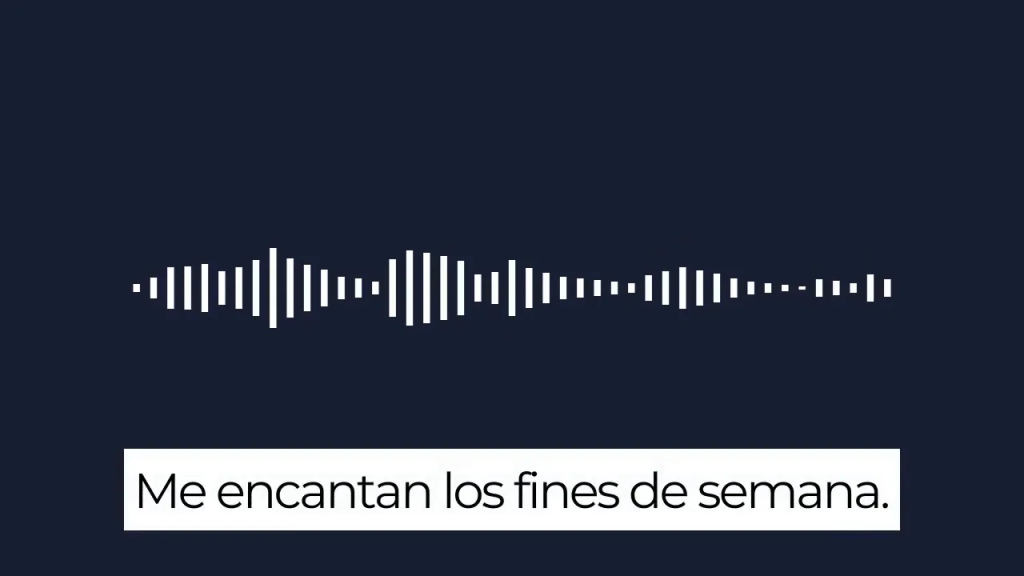
Me encantan los fines de semana. Mi trabajo es muy ocupado, así que cada día hago muchas cosas. Para mí, un buen fin de semana tiene menos actividades. En un buen fin de semana puedo descansar más. Me despierto tarde y no me levanto inmediatamente. Escucho música y no tengo prisa. Leo o veo muchas películas y series en la tele o en Netflix. Hago viajes a otras ciudades o hago cosas especiales como ir a un museo, visitar a una amiga o ir de compras. A veces voy a un restaurante. Cocino para ahorrar tiempo durante la semana.
This paragraph uses present tense verbs to describe routine activities. Notice reflexive verbs like me despierto and regular forms such as leo and cocino.
Practice tasks for learners
Use the verbs and vocabulary above to practise. Try all tasks in Spanish using the present tense.
- Fill in the blanks with the correct present tense form.
- Yo _____ (despertarse) tarde los domingos.
- Nosotros _____ (ir) de compras el sábado.
- Ella _____ (leer) un libro interesante.
- Yo _____ (cocinar) para la semana.
- Tú _____ (escuchar) música tranquila.
- Translate into Spanish.
- I rest more on the weekend.
- He goes to a museum sometimes.
- We watch series on Netflix.
Write a short paragraph (4 or 5 sentences) in Spanish about your ideal weekend using at least three different verbs from this article.
- Conversation prompts. Use these to practise speaking or writing with a partner.
- ¿Cómo descansas los fines de semana?
- ¿Vas a restaurantes o cocinas en casa?
- ¿Prefieres viajar o quedarte en casa?
Answer key and sample answers
Sample answers for self-check.
- Fill in the blanks:
- Yo me despierto tarde los domingos.
- Nosotros vamos de compras el sábado.
- Ella lee un libro interesante.
- Yo cocino para la semana.
- Tú escuchas música tranquila.
- Translations:
- I rest more on the weekend. — Descanso más el fin de semana.
- He goes to a museum sometimes. — Él va a un museo a veces.
- We watch series on Netflix. — Vemos series en Netflix.
- Example paragraph:
El fin de semana me gusta descansar. Me despierto tarde y escucho música. A veces voy a un restaurante con amigos. También leo y cocino para la semana.
Final tips
- Use present tense for routines and habitual actions. If you want to talk about a single past weekend, you will need past tenses, but start with present for everyday descriptions.
- Practice reflexive verbs like despertarse and levantarse because they are common when talking about morning routines.
- Make a habit of describing your real weekends in Spanish in short sentences. Keep them simple and gradually add more details.
Building Proficiency for World Language Learners: 100+ High-Interest Activities
Discover over 100 dynamic activities to make world language learning interactive and fun. I wrote this book with some of my favorite activities for educators aiming to build proficiency with high-impact strategies.
Learn more and get your copy here.
5 Weeks of No and Low Prep Fun
Need quick, engaging activities for your class? This free guide includes 25 no-prep and low-prep ideas to save time while keeping students excited about learning.
Download your free copy now.
100s of Videos to Learn Spanish
Gain access to an extensive collection of videos for self-paced Spanish learning.
Browse the videos.