Check out these templates, games and activities to adapt to the language YOU teach.
13 Low and No-Prep Games to Play with Your Textbook Vocabulary Page
Charades
This basically involves one person or group of people acting out a vocabulary word or a situation and others guessing what it is in the target language. Cut up slips of recycled paper and hand them to teams to act out and guess, or use a list of your common words to use to play.
Pictionary 2 Ways
Someone illustrates a word and someone else guesses it. This works in small or large groups.
Pair Pictionar yis a fun and exciting game that can be played with your target vocabulary for your unit.
Give students a print out of the chapter vocabulary.
Divide into teams of two, with one player on each team acting as the artist and the other as the guesser. If there is an odd number of students, one can be the scorekeeper and check off the words that have already been guessed.
I like to give them rounds of one or two minutes.
The artist on the chosen team will then pick a word or phrase within that category and draw it on the whiteboard or paper.
The guesser on the other team will attempt to guess what the word or phrase is within a certain time limit, usually one to two minutes.
If the guesser successfully guesses the word or phrase, their team earns a point. If not, the other team gets a chance to steal the point by correctly guessing the word or phrase.
The team with the most points at the end of the game wins.
Backward/Reverse Pictionary
Another version of Pictionary that serves as great listening comprehension that you can do as the leader. They literally draw what you say. You can also have your students do it in small groups. If you have small whiteboards, great, but paper (or anything else you can draw on) works well too.
Post-Its
When you have a few minutes and have to review, have students write out questions based on the content you’re doing. They then place their Post-its on the board. You ask the questions. Divide up the teams based on the geography of your class. https://www.instagram.com/p/Cgw93k6lnxY/
Hangman
This is a must-do classic. Work it into your repertoire if you don’t already do it. If you and the students have a list of words to reference and writing tools (i.e. your vocabulary page), that’s all you need.
Hangman can get a makeover in a couple of ways. You might spell the words for the students to guess.
Hangman can also have a politically correct makeover by building something cute in lieu of the hangman.
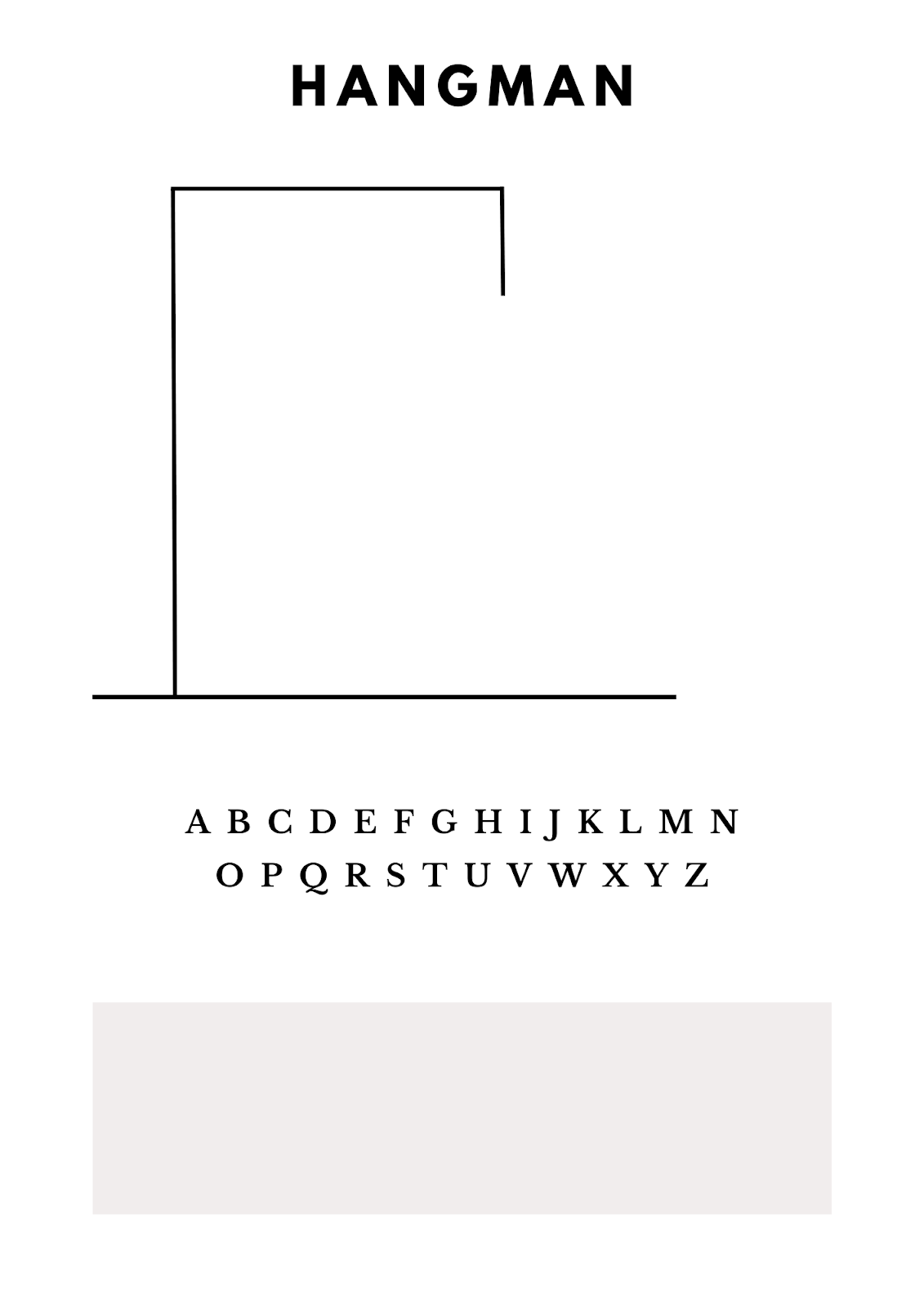
Get the editable templates here: https://www.canva.com/design/DAFhFB7mnLg/MGovvaS2ysKtCFiY8KUFng/view?utm_content=DAFhFB7mnLg&utm_campaign=designshare&utm_medium=link&utm_source=publishsharelink&mode=preview
Tic-tac-toe
If you are unfamiliar with Dr. Rassias, he was an amazing leader in teaching foreign languages. He made learning fun and engaging. His activities with comprehensible input (a sort of early TPRS with lots of visuals) get people speaking fast and accurately. While Dr. Rassias did not invent the game, he had a great take on it.
Put students in pairs. They identify vocabulary or verbs. Give them a list. They get X and O’s. The winner is obviously just like traditional tic-tac-toe. You can also do your tic-tac-toe with complex structure translations. They get it right, they get to place the X and the O. I like to infuse culture here with making my X’s and O’s cultural (i.e., frijoles or shapes in the TL).
I like to have students work in teams against teams. As you’re busy, you can also allow one student to be the moderator. They have a bank of words, questions, or tasks in hand and can serve as the judge. However, that’s really just a sneaky way to get more study in.
Create reusable boards out of laminated card stock and poster board representing target culture flags, but paper or white boards work well also. Divide students into small groups. I think that four is ideal for small groups, but you can divide the class into two teams and play as a group. Each team gets an X or O, or the equivalent of such. I like to use items I find in the class to help review vocabulary.
The students (or you) should ask each other the target word. They can use any of the methods mentioned above (i.e., draw, act out, etc.) but I also like to use something simple like How do you say ___? When a team gets a correct answer, they can put down their X or O. For teaching, I like to make a board with squares that look like target language country flags.
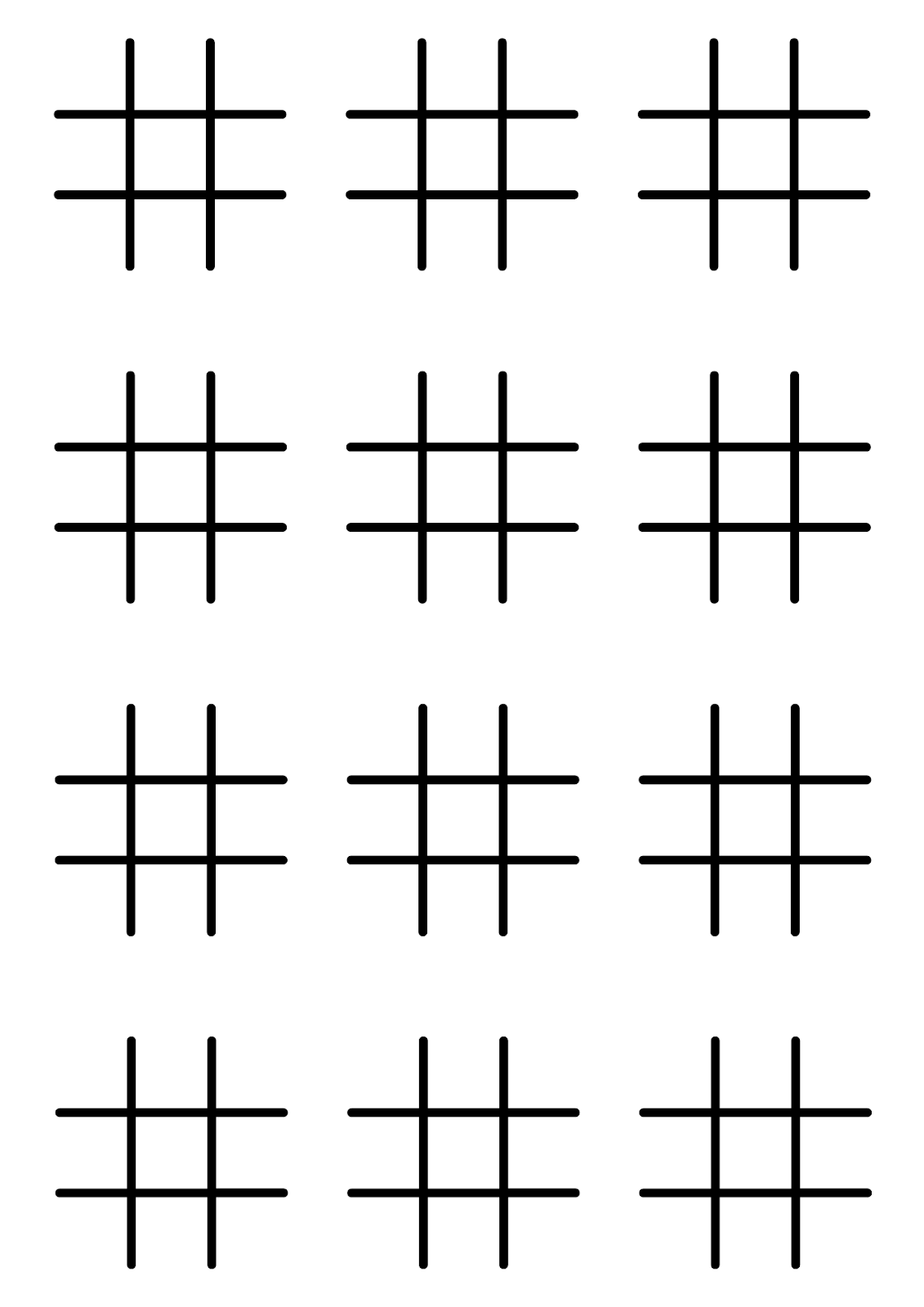
Editable template here: https://www.canva.com/design/DAFgSxqmdes/9knWiQ5ZnPUJrp1MBUX5eQ/view?utm_content=DAFgSxqmdes&utm_campaign=designshare&utm_medium=link&utm_source=publishsharelink&mode=preview
Bingo
We all know Bingo is a fun way to get in a much-needed change of pace while learning vocabulary at the novice-level. Here are a few reasons to include it regularly in your beginning-level classes.
- Instant Total Physical Response.
TPR is a language teacher’s best friend. Total Physical Response involves the learner having to respond to something in the target language, of course. A lot of computer programs (i.e., Rosetta Stone) use this method.
Bingo works for any theme and can easily be adapted to supplement any curriculum or textbook.
At the most basic level, Bingo is TPR. Students hear and see words and select. They are attentive, they are listening, and they are engaged in the foreign language.
You can teach anything using Bingo, and the visuals make it great comprehensible input. You can teach grammar and verb tenses using Bingo as well. It is a useful tool to create effective, engaging lessons for beginners.
2. Make the difficult parts less so.
Some concepts that I’ve taught through Bingo that were difficult and Bingo shaved days off them: the alphabet in foreign languages, time, verb tenses, and adjectives, just to name a few.
3. Bingo can be communicative and interactive.
Make a simple grid on paper (3 x 3, 4 x 4, etc.), or make one in a word processing program using tables. Students can fill it in with whatever you’re doing. Fill it with answers that match a set of questions. You can build this with students.
It’s great to pull out Bingo when you’ve got a few extra minutes in class. It keeps everyone engaged and learning. Give fun prizes like pencils and erasers and bookmarks with the target language on them.
Bingo is fun. You won’t feel like you’re lecturing. Students won’t feel like you’re lecturing, and everyone will be learning and having a good time at the same time.
Races
Races make class fun. They give everyone a chance to be up and moving around and can be adapted to any world language lesson. Races can be translations, verb conjugations, target language script, or vocabulary. It can be interpretive or presentational.
Learners use the target language to learn basic descriptions in a beginning world language class. I have a cheat sheet card that I use to help students be able to play the game completely in the target language.
More advanced students have to be able to play the game completely in the target language without the use of the card. They also need to be able to describe the members in the game and all the faces and characters they see.
Get the editable link: https://www.canva.com/design/DAFhj4I2IcI/2SGk0HpQpbCL29or9t47xQ/view?utm_content=DAFhj4I2IcI&utm_campaign=designshare&utm_medium=link&utm_source=publishsharelink&mode=preview
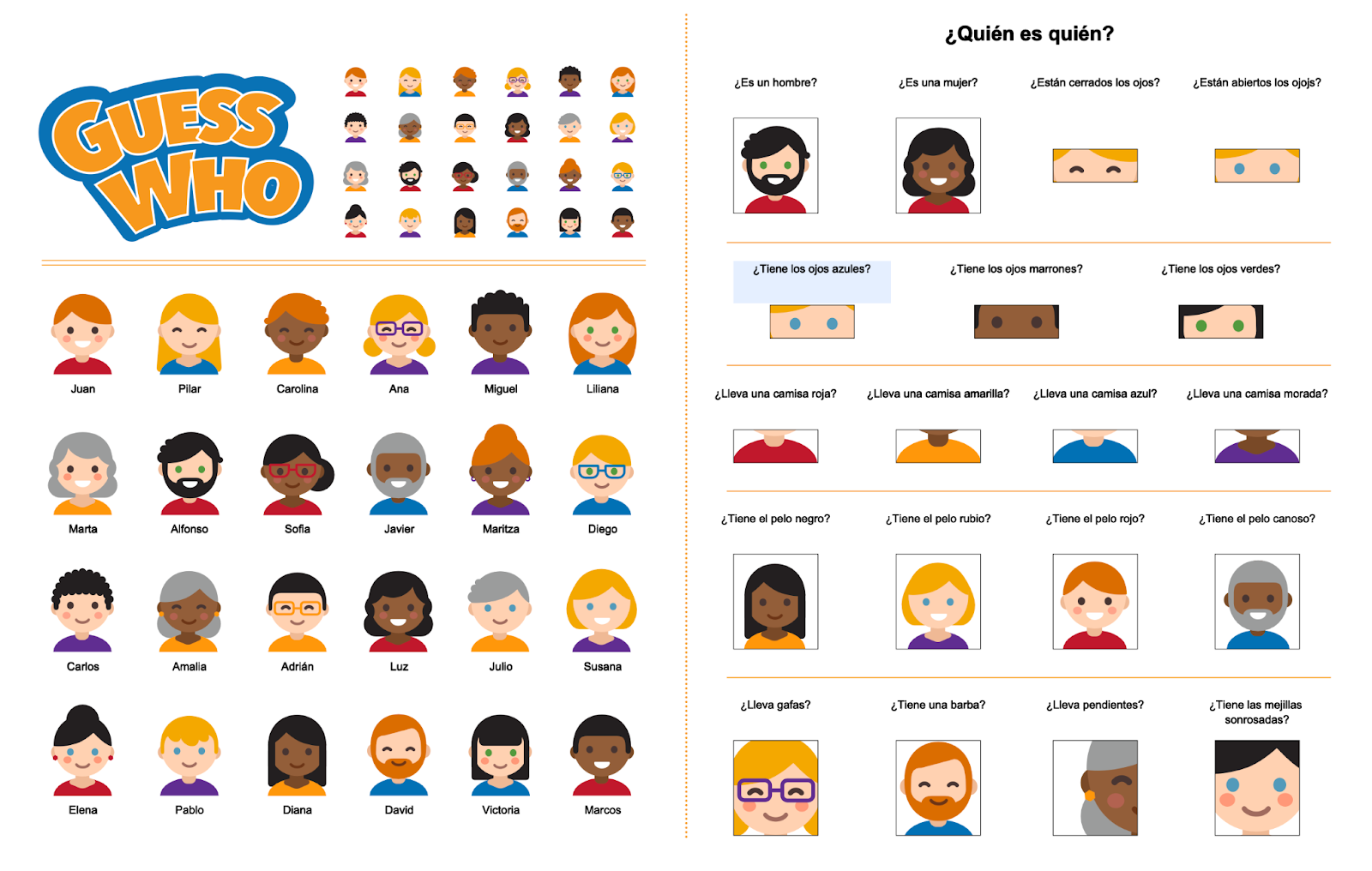
This card is editable, too.
To do this as a group, an individual selects a classmate. Classmates ask those closed questions until they guess who the mystery person is.
Guessing games are a ton of fun and easy to create. Some topics:
Clothing
Descriptions
Likes and dislikes
Hair color
Jeopardy: After ensuring that the review objectives are understood and students have access to their materials, pass out Post it notes or index cards. The number will depend on the size of your class.
Next, create six categories based on your review materials.
Students will write answers to questions found in the materials on the Post its/cards (better for lasting a long time).
Place these in rows and columns like the classic Jeopardy game. You may need to do some on-the-spot editing of the material. Place values in ascending order to the questions.
Divide the class into teams. Students earn points by asking the correct questions.
Jeopardy Framework
Category 1
Category 2
Category 3
Category 4
Category 5
Category 6
Category 1 Answer 1
Category 1 Answer 2
Category 1 Answer 3
Category 1 Answer 4
Category 1 Answer 5
Category 2 Answer 1
Category 2 Answer 2
Category 2 Answer 3
Category 2 Answer 4
Category 2 Answer 5
Category 3 Answer 1
Category 3 Answer 2
Category 3 Answer 3
Category 3 Answer 4
Category 3 Answer 5
Category 4 Answer 1
Category 4 Answer 2
Category 4 Answer 3
Category 4 Answer 4
Category 4 Answer 5
Category 5 Answer 1
Category 5 Answer 2
Category 5 Answer 3
Category 5 Answer 4
Category 5 Answer 5
Category 6 Answer 1
Category 6 Answer 2
Category 6 Answer 3
Category 6 Answer 4
Category 6 Answer 5
Category 1
Category 1 Answer 1
Category 6 Answer 2
Category 6 Answer 3
Category 6 Answer 4
Category 6 Answer 5
Category 2
Category 2 Answer 1
Category 2 Answer 2
Category 2 Answer 3
Category 2 Answer 4
Category 2 Answer 5
Category 3
Category 3 Answer 1
Category 3 Answer 2
Category 3 Answer 3
Category 3 Answer 4
Category 3 Answer 5
Category 4
Category 4 Answer 1
Category 4 Answer 2
Category 4 Answer 3
Category 4 Answer 4
Category 4 Answer 5
Category 5
Category 5 Answer 1
Category 5 Answer 2
Category 5 Answer 3
Category 5 Answer 4
Category 5 Answer 5
Category 6
Category 6 Answer 1
Category 6 Answer 2
Category 6 Answer 3
Category 6 Answer 4
Category 6 Answer 5
Final Jeopardy Category
Final Jeopardy Answer
Get the editable Jeopardy template here: Jeopardy Template (1)
More jeopardy games: https://jeopardylabs.com/
Tic Tac Toe
If you are unfamiliar with Dr. Rassias, he was an amazing leader in teaching foreign languages. He made learning fun and engaging. His activities with comprehensible input (a sort of early TPRS with lots of visuals) gets people speaking fast and accurately.
While Dr. Rassias did not invent the game, he had a great take on it. Put students in pairs. They identify vocabulary or verbs. Give them a list. They get X and O’s. The winner is obviously just like traditional tic-tac-toe. You can also do your tic-tac-toe with complex structure translations. They get it right, they get the X and the O. I like to infuse culture here with making my X’s and O’s cultural (i.e. frijoles or shapes in the TL).
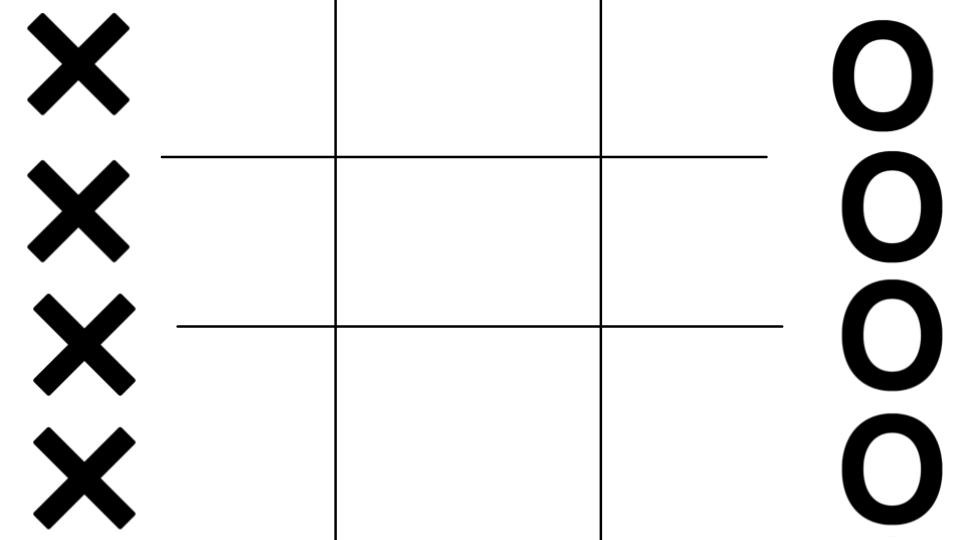
Beat the Teacher: This is a fun game from a British television show for school children.
Take your content set. It can be materials from your text, or something you want them to master. For this example, we’ll use the imperfect tense in Spanish. You’ll start with the teacher answer sheet (only you’ll have this). Hand out the student answer sheet. Draw a Tic Tac Toe board. They get an answer, they put down an X or O. You’re right, you put yours down. They should write the answers they got wrong in the blanks as you play. Keep a blank answer sheet ready to reuse each time you play (I like 30 spaces). Keep playing for mastery.
Imperfect Verbs Teacher Answer Sheet
- hablaba – I used to speak
- hablabas – You used to speak
- hablaba – He/She/You (formal) used to speak
- hablábamos – We used to speak
- hablaban – They/You all (formal) used to speak
- comía – I used to eat
- comías – You used to eat
- comía – He/She/You (formal) used to eat
- comíamos – We used to eat
- comían – They/You all (formal) used to eat
- escribía – I used to write
- escribías – You used to write
- escribía – He/She/You (formal) used to write
- escribíamos – We used to write
- escribían – They/You all (formal) used to write
- iba – I used to go
- ibas – You used to go
- iba – He/She/You (formal) used to go
- íbamos – We used to go
- iban – They/You all (formal) used to go
- era – I used to be
- eras – You used to be
- era – He/She/You (formal) used to be
- éramos – We used to be
- eran – They/You all (formal) used to be
- veía – I used to see
- veías – You used to see
- veía – He/She/You (formal) used to see
- veíamos – We used to see
- veían – They/You all (formal) used to see
Beat the Teacher Student Answer Sheet
| __________________________ __________________________ __________________________ __________________________ __________________________ __________________________ __________________________ __________________________ __________________________ __________________________ __________________________ __________________________ __________________________ __________________________ __________________________ | __________________________ __________________________ __________________________ __________________________ __________________________ __________________________ __________________________ __________________________ __________________________ __________________________ __________________________ __________________________ __________________________ __________________________ __________________________ |
Dice Games (verb conjugations)
| Verb | Subject Pronoun | Definition |
| 1. | ||
| 2. | ||
| 3. | ||
| 4. | ||
| 5. | ||
| 6. |
Extension: Make original sentences
Battleship
Scattegories Templates
Give the theme and a time. Groups brainstorm to find as many things as they can that go into that category. For beginners, an example might be vegetables. Within that time the group wants to write down as many vegetables as they can in the target language. You can also have a goal of at least one per category.
Category:
- A –
- B –
- C –
- D –
- E –
- F –
- G –
- H –
- I –
- J –
- K –
- L –
- M –
- N –
- O –
16. P-
17. Q-
18. R-
19. S-
20. T-
21. U-
22. V-
23. W-
24. X-
25. Y-
26. Z-
Adapt the template to suit your language/alphabet.
Variation #2 Template:
Choose your themes based on their beginning letter. This is great for an intermediate/advanced course for reviewing and growing vocabulary. You might provide a theme such as art. Adapt your lettering system accordingly.
- [Letter A] – [Answer]
- [Letter B] – [Answer]
- [Letter C] – [Answer]
- [Letter D] – [Answer]
- [Letter E] – [Answer]
- [Letter F] – [Answer]
- [Letter G] – [Answer]
- [Letter H] – [Answer]
- [Letter I] – [Answer]
- [Letter J] – [Answer]
- [Letter K] – [Answer]
- [Letter L] – [Answer]
- [Letter M] – [Answer]
- [Letter N] – [Answer]
- [Letter O] – [Answer]
- [Letter P] – [Answer]
- [Letter Q] – [Answer]
- [Letter R] – [Answer]
- [Letter S] – [Answer]
- [Letter T] – [Answer]
- [Letter U] – [Answer]
- [Letter V] – [Answer]
- [Letter W] – [Answer]
- [Letter X] – [Answer]
- [Letter Y] – [Answer]
- [Letter Z] – [Answer]
Variation #3:
- Survival Phrases – [Answer]
- Greetings – [Answer]
- Taking Leave – [Answer]
- Food – [Answer]
- At a Restaurant – [Answer]
- Clothing – [Answer]
- Family – [Answer]
- Colors – [Answer]
- The Calendar – [Answer]
- Homes – [Answer]
- Describing People – [Answer]
- In a Classroom – [Answer]
- Common Classes – [Answer]
- Weather and Seasons – [Answer]
- Sports – [Answer]
- Leisure Activities – [Answer]
- Shopping – [Answer]
18. Holidays- [Answer]
19. Technology- [Answer]
20. Emotions- [Answer]
Flashcards
Great template on Google Slides
Canva Template. Choose from the MANY great photos and graphics.
Card games: Use presentation software (print 6 slides per page) or the flashcard template.
Error Game
| error | correction | points |
Building Proficiency for World Language Learners: 100+ High-Interest Activities
Discover over 100 dynamic activities to make world language learning interactive and fun. I wrote this book with some of my favorite activities for educators aiming to build proficiency with high-impact strategies.
Learn more and get your copy here.